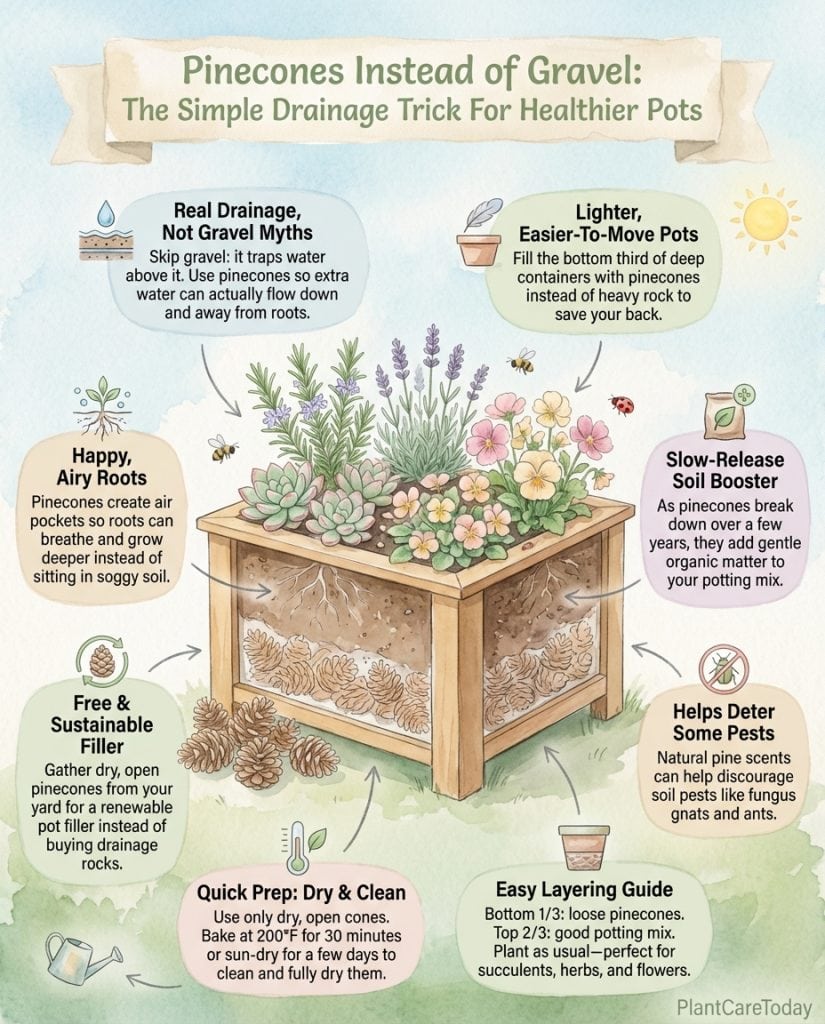
That handful of gravel you’re about to dump in your planter? You might want to hold off. I was surprised to learn that this common practice isn’t just outdated; it’s illegal.
It can actually harm your plants. There’s a free, sustainable alternative that works better, and it’s probably scattered all over your yard right now.
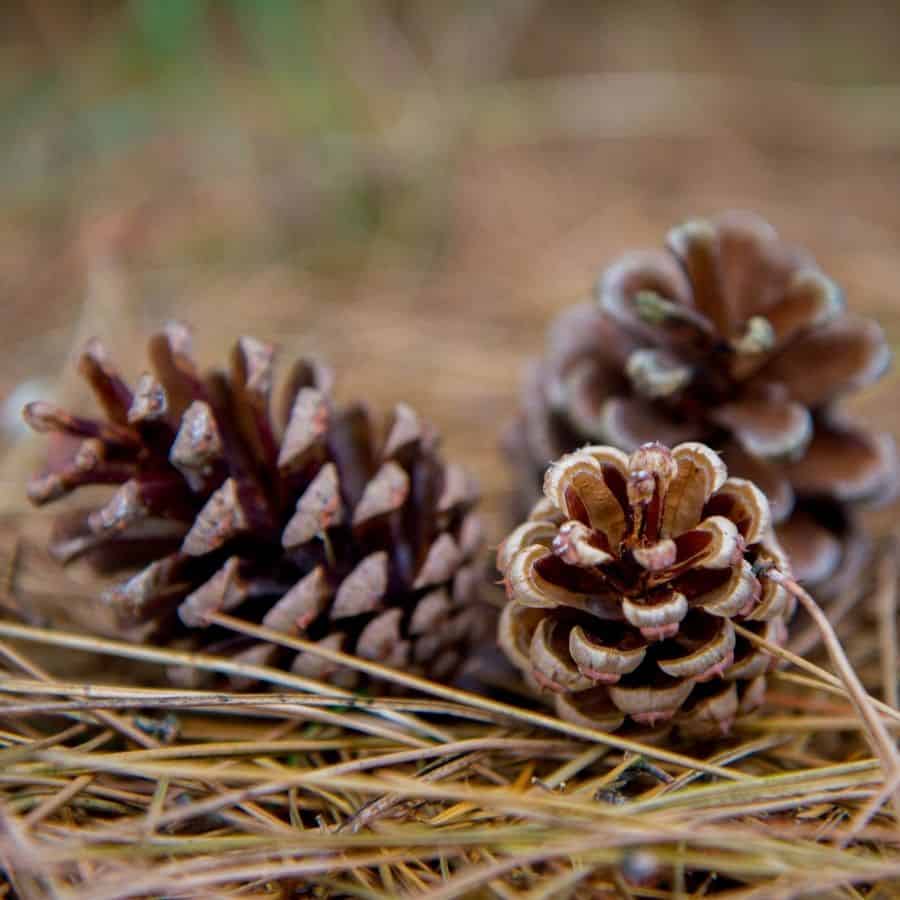
Pinecones make excellent planter fillers, and they outperform gravel in almost every way.
Why Gravel Doesn’t Actually Help Drainage
Let’s clear up a common gardening myth: Gravel at the bottom of pots does not improve drainage. It actually does the opposite. Water gets trapped above the gravel layer, creating a soggy root zone that invites root rot.
A lot of people make this mistake with their containers, thinking they’re helping their plants. But here’s what’s really happening:
• That heavy gravel adds unnecessary weight to your pots
• Rocks create a water table effect, keeping roots wetter than they should be
• All that space filled with stones provides zero nutrients or benefits
Think of it like wearing waterproof boots with holes at the ankles; the water just pools inside instead of draining.
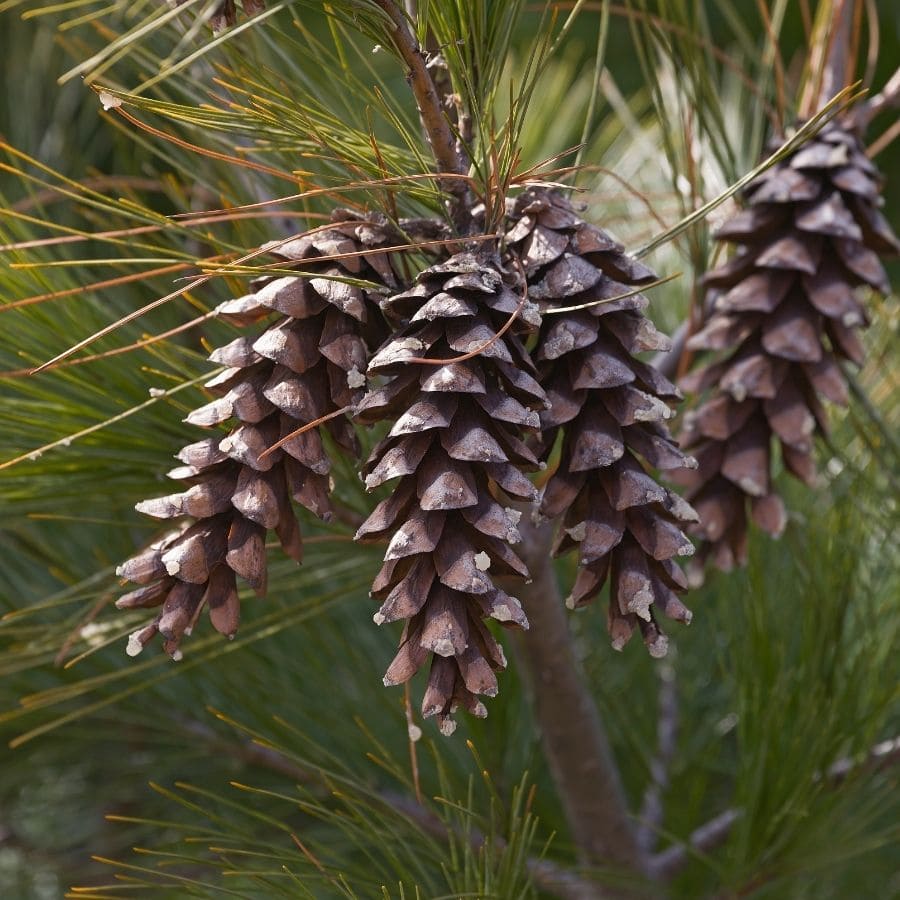
6 Reasons Pinecones Work Better Than Gravel
1. They Create Drainage That Actually Works
Unlike solid gravel, pinecones have a structure that creates natural air pockets. Their overlapping scales let water flow through gradually, preventing the “perched water table” effect that drowns roots.
A single large pinecone can create up to 40% more air space than the same volume of gravel.
2. They’re Much Lighter
Your back will thank you for this switch. Pinecones weigh about 85% less than a similar volume of gravel or stones.
This makes moving pots around much easier, especially if you’re a balcony gardener or like to rearrange your containers seasonally.
3. They Help Roots Breathe
Roots need oxygen just as much as they need water. Pinecones create natural air channels throughout the soil, allowing roots to develop deeper and stronger.
They act like tiny oxygen pathways running beneath your plant’s root system.
4. They Feed Your Soil Over Time
Unlike inert pot fillers, pinecones gradually break down over 2-3 years. As they decompose, they release carbon-rich organic matter that feeds beneficial soil microbes.
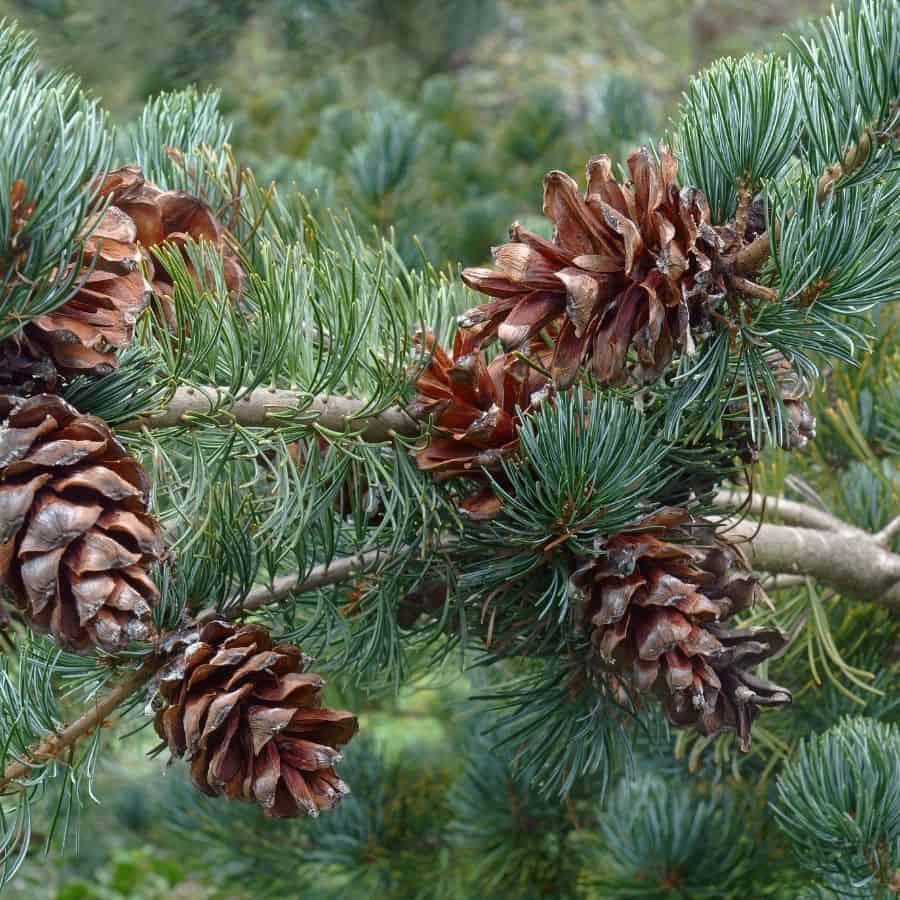
They’re like slow-release nutrients for your potting mix, something stones can’t provide.
5. They’re Free and Sustainable
Your wallet and the planet both benefit here. While garden centers charge for drainage materials, nature provides pinecones for free.
They’re completely biodegradable and renewable, and they perform better than manufactured alternatives.
6. They Help Deter Some Pests
The aromatic compounds in pinecones (the same ones that make forests smell nice) can help discourage certain soil pests, such as fungus gnats and ants. It’s a gentle, natural deterrent that comes as a bonus.
How to Use Pinecones in Your Planters
Ready to try this in your containers? Here’s how to prepare and use pinecones:
1. Prep them right: Collect open, dry pinecones (not green or sticky ones). Bake at 200°F for 30 minutes to sterilize, or sun-dry for several days.
2. Layer them properly: Fill the bottom third of your container with loose pinecones. You can add landscape fabric on top if you want to keep soil from washing down, but it’s optional.
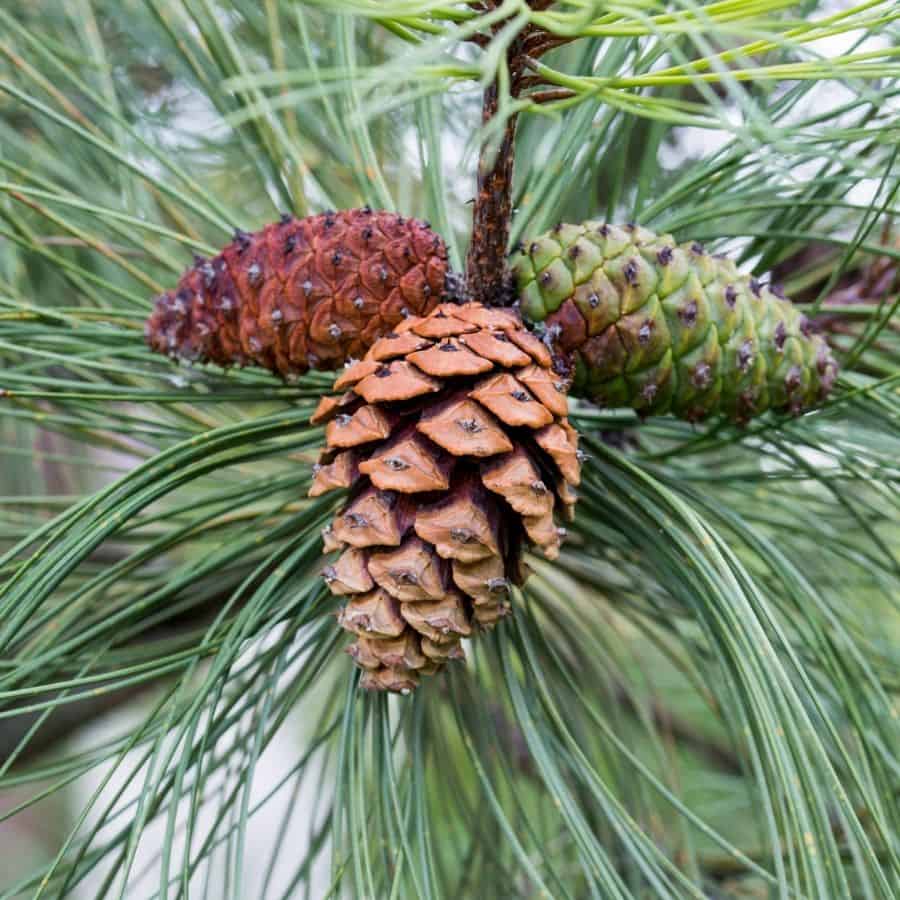
3. Add potting soil: Fill the remaining two-thirds with potting mix appropriate for your plant, and plant as usual.
That’s it. No special equipment needed. Just a simple swap that makes a real difference.
Which Plants Benefit Most from Pinecone Drainage?
While almost all container plants benefit from improved drainage, these varieties show the biggest improvement:
• Succulents & cacti: Their desert origins mean they really dislike wet roots
• Mediterranean herbs: Rosemary, thyme, and lavender need good drainage
• Flowering annuals: Petunias, geraniums, and zinnias stay healthier longer
• Houseplants in decorative pots: Especially useful in pots without drainage holes
Even moisture-loving plants can benefit. Just use fewer pinecones for these varieties.
Bonus Tip: Use Pine Needles as Mulch
While you’re collecting pinecones, grab some pine needles too. They make excellent mulch for the top of your pots. Together, they create a natural top-and-bottom system that:
• Retains moisture in the middle soil layers where roots need it
• Creates good drainage below
• Gradually adds organic matter to your container
• Looks natural and neat (unlike obvious gravel layers)
The difference between new and experienced gardeners often comes down to knowing that natural materials like these work better than manufactured ones.
When Not to Use Pinecones
While pinecones work well for most container plants, they shouldn’t replace your actual potting soil.
Always fill the top two-thirds of your container with quality potting mix suited to your specific plant type. Pinecones are the foundation layer, not the main growing medium.
By switching from heavy, water-trapping gravel to lightweight, aeration-boosting pinecones, you’ll give your plants what they actually need to thrive.
This small change makes enough of a difference in plant health that you’ll wonder why you ever carried home those heavy bags of stones in the first place.