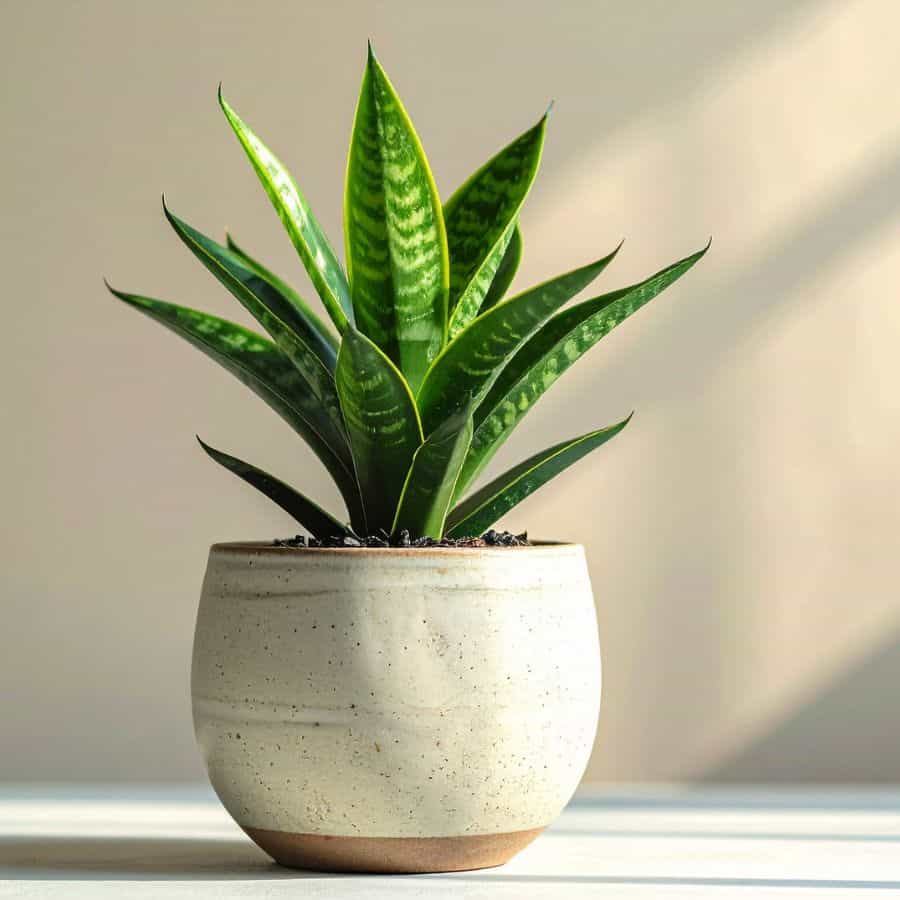
You’ve probably admired your snake plant for its nice architectural leaves and how easy it is to care for.
But did you know these common houseplants can actually produce flowers? It’s true.
While only about 15% of indoor snake plants ever bloom, I’m going to share what it takes to help yours flower.

The Light Secret Most Plant Experts Won’t Tell You
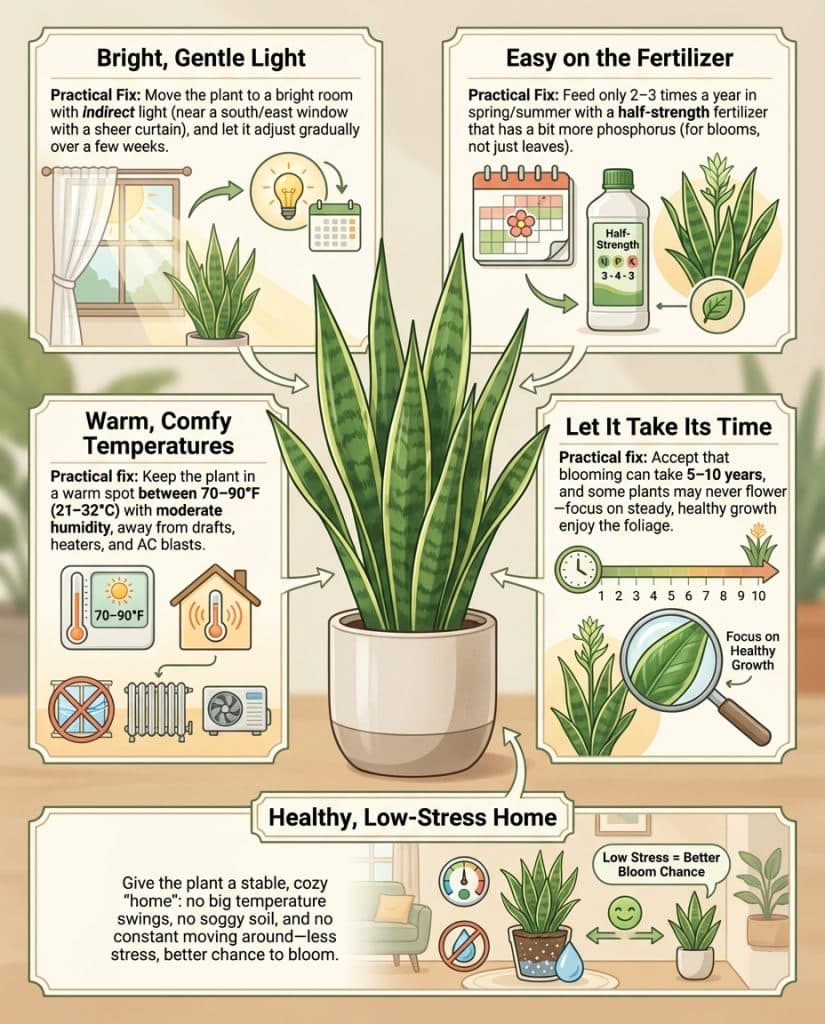
Forget what you’ve heard about snake plants doing well in dark corners. While they’ll survive there, they’ll never flower without proper light exposure.
The real trick for your snake plant is gradual light training. Like an athlete preparing for competition, your plant needs the right conditioning.
• NEVER place your snake plant in direct, harsh sunlight (unless you want burned leaves)
• Instead, position it in a bright room where indirect light reaches it consistently
• Gradually increase exposure over weeks, not days. Think of it as light therapy for your plant
Quick tip: Those south or east-facing windows you’ve been avoiding? They might be perfect spots with a sheer curtain as a buffer.
The Fertilizer Trap That’s Killing Your Chances
I was surprised to learn that over-fertilizing is actually the top reason many snake plants produce nice leaves but zero flowers. It’s like feeding a teenager too much junk food, all growth, no finesse.
What matters most is restraint. When your plant refuses to flower despite heavy fertilizing, it’s asking for less.
• Dilute your fertilizer to half-strength during growing seasons
• Fertilize only 2-3 times per year (spring and summer)
• Switch to a fertilizer with higher phosphorus content, which promotes flowering over leaf growth
The Temperature Sweet Spot for Blooms
Most people make this mistake with their snake plant: they treat it like it’s invincible to temperature changes. While these plants are tough, they require specific conditions to flower.
Think of your snake plant as a tropical vacationer. It needs that perfect resort temperature to really show off.
• Maintain temperatures between 70-90°F (21-32°C) during growing seasons
• Provide moderate humidity (40-50%)
• Keep away from air conditioners, heaters, and drafty windows
• Consider a seasonal “vacation” for your plant in a warmer, slightly more humid room
The Patience Paradox (Yes, It’s Really This Simple)
The difference between new and experienced plant parents is simply patience. Even with perfect care, some snake plants take 5-10 years to produce their first flowers.
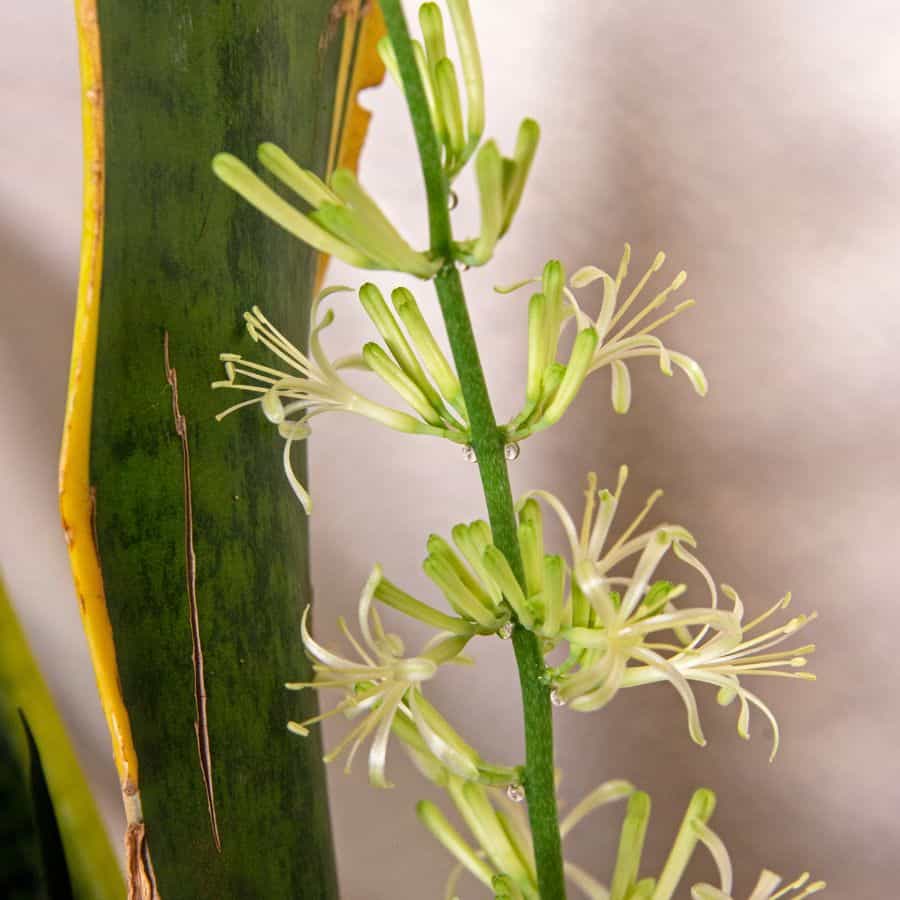
Did you know? Snake plant flowers typically emerge in late spring or early summer, producing delicate white or cream-colored blooms on tall stalks that smell sweet and vanilla-like at night.
Some varieties are naturally more reluctant to flower than others. And here’s the hard truth: approximately 25% of indoor snake plants will never flower regardless of care. It’s not you. It’s them.
The Blooming Bottom Line
The path to snake plant flowers takes time. Focus on creating good conditions by providing proper light exposure, restrained fertilization, optimal temperatures, and plenty of patience.
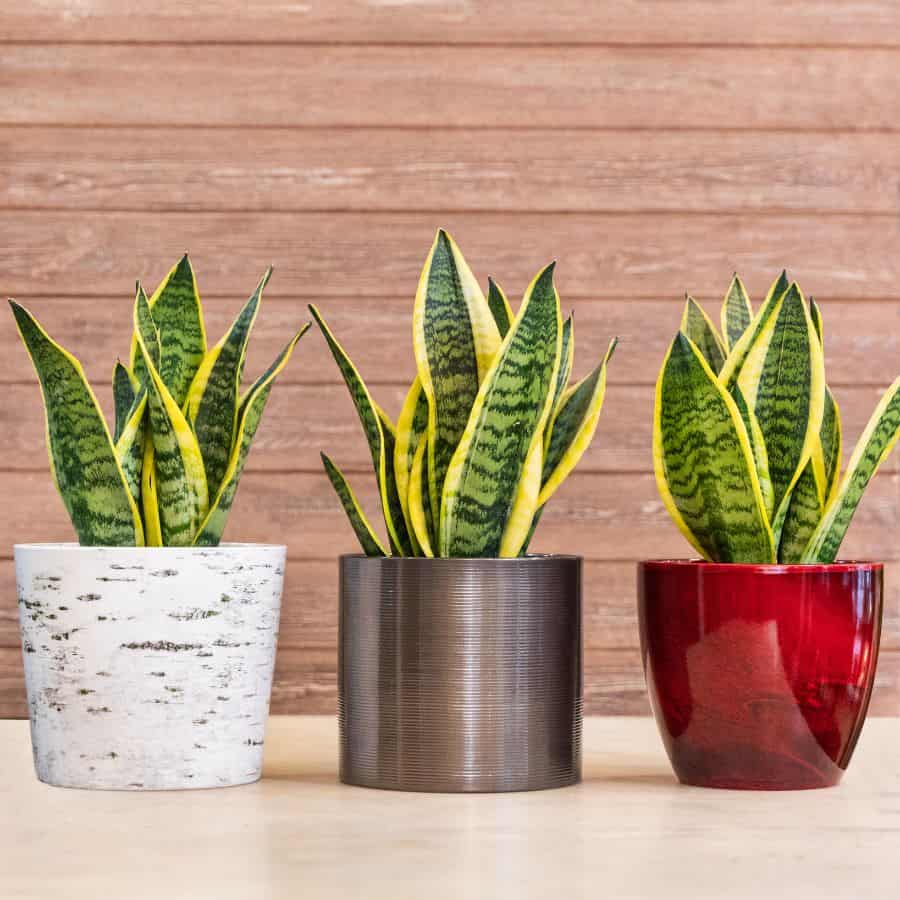
If your plant never produces its rare blooms, remember. You’re still caring for one of the most striking, air-purifying, and nearly indestructible houseplants around. Its architectural leaves are beautiful on their own.
Your relationship with your snake plant is about the journey, not just the destination. And sometimes, the best things are worth waiting for.