How To Plant With A Compass And New Old Garden Tool

plant with compass

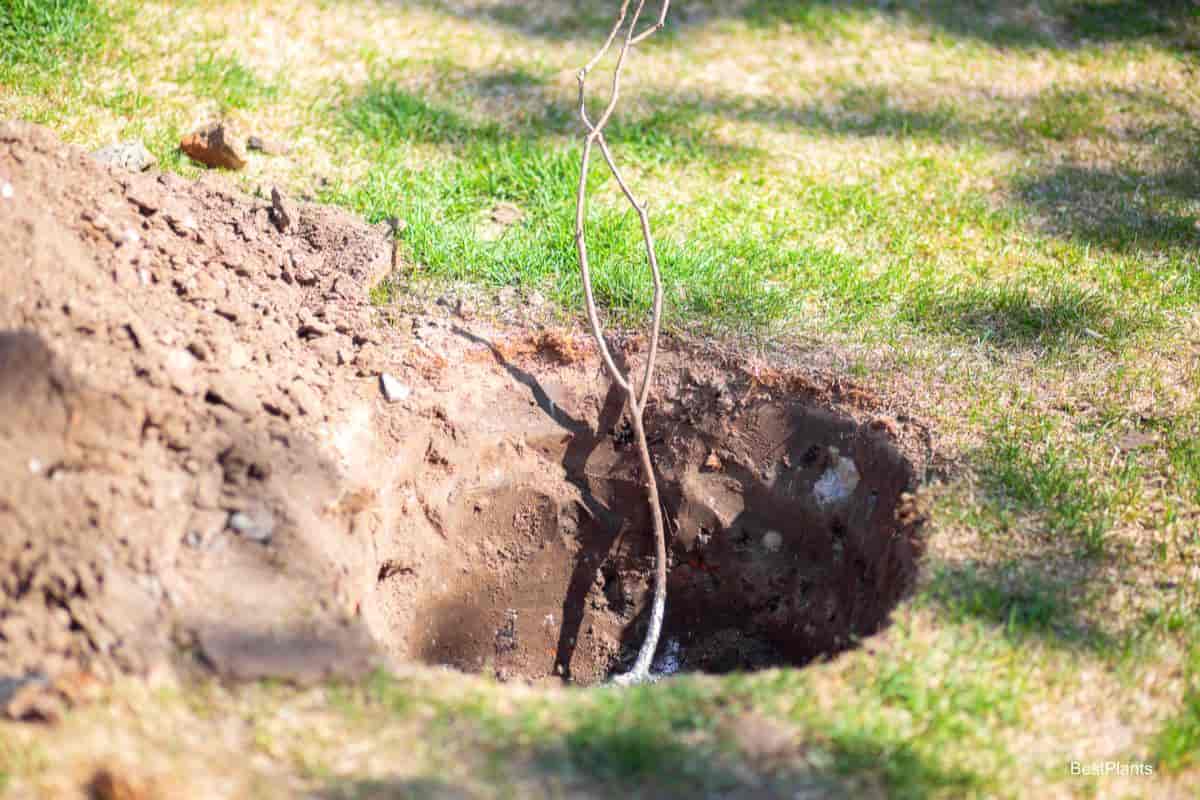
Here’s something different to add to your transplanting tools: one small compass. That’s right, the handy friend of every scout and a great help to the gardener too. If you have lived long in one place, you hardly need a compass. You already know where the sun rises and sets about your property, but how much … Read more

What Is The Difference Between an Annual, Biennial And Perennial?
annual biennial perennial

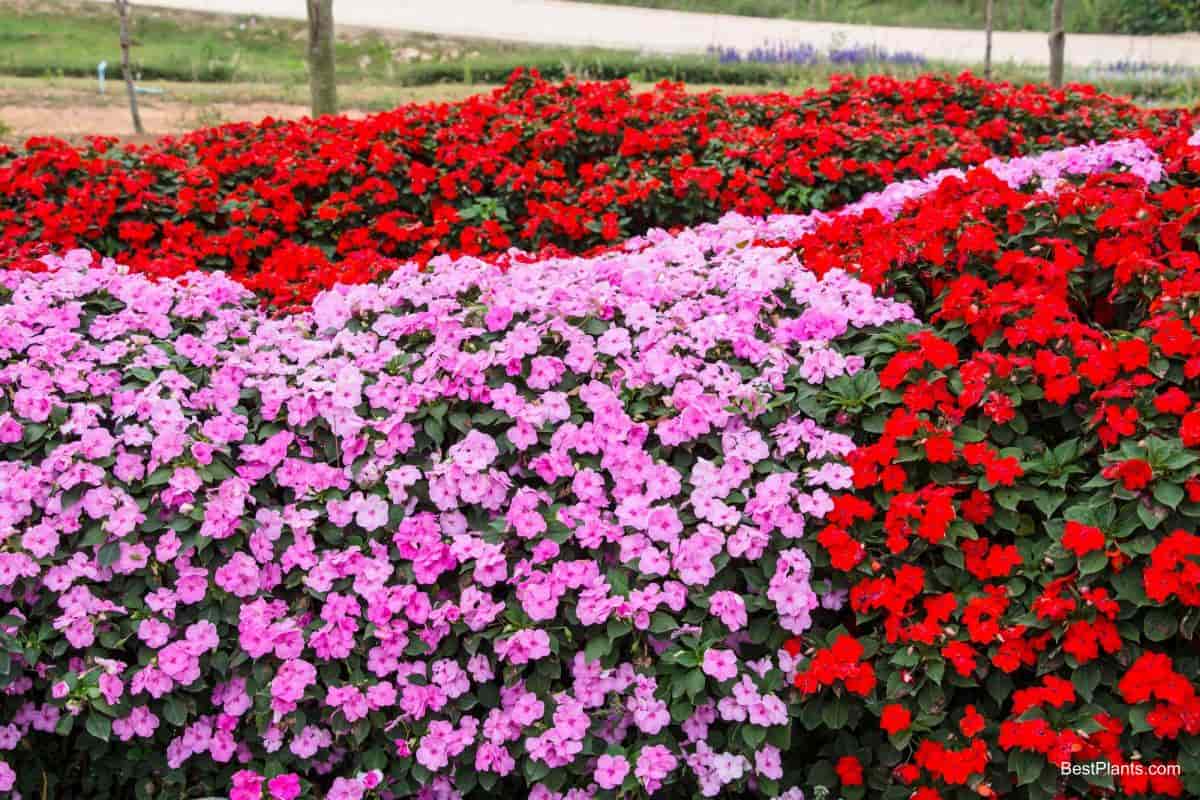
The day I took my grandson (then a second or third grader) to the garden to show him the sensitive plant (Mimosa pudica) and its reactions to the touch of one’s hands,  I was greatly surprised to have him ask: “Is it a perennial or annual?”It was satisfying to know that youngsters were being taught … Read more
20+ Quick Plant Growing and Care Tips

Cultivation Tips

Acidanthera Acidanthera is a charming and graceful bulb flower—a bulb of easy garden handling. Plant, dig, and store acidanthera as you would Gladioli. This plant gives a beat decorative effect when three bulbs are planted together. Amaryllis Hippeastrum: These should be planted as soon as they are received, in pots not more than one inch … Read more

What They Found In General Washington’s Greenhouse

general washingtons greenhouse

Over two hundred and sixty-five years ago, General Washington was completing his greenhouse in the flower garden at Mount Vernon. He was vitally interested in obtaining suitable plant material to furnish it. Many of the gentlemen of Colonial America did not consider their respective estates complete until a greenhouse was available for the Winter storage … Read more

Tips And Ideas From A May Gardener’s Notebook

gardeners notebook

Gardening as a happy and healthful experience is a balanced combination of planning, timing, physical effort, and mechanical and chemical aids, with the most significant emphasis on the first three. But, in these technological times, we are easily mesmerized by labor and time-saving gadgets beautifully illustrated in page-splashed ads. Garden aids, both mechanical and chemical, … Read more

Gardners Ask – What Did I Do Wrong?

gardeners do wrong

A significant survey was conducted some time back to check the most common mistakes of amateur gardeners. The area covered was part of the Midwest and much of the Northeast; the gardeners ranged from beginners to those with many years of experience. Can you guess what was at the top of the poll in these … Read more

Growing A Garden One Mile High Halfway to Heaven!

Growing Garden

Just east of the Rocky Mountains and one mile high is a section of the country which presents garden problems. We often have cold, snow, and frost until May 15, and then comes summer. Keep The Seed Beds Moist For Germination One of the greatest garden problems is to keep seedbeds moist until the seeds … Read more

Starting Seeds Indoors: How To Start Seed Indoors

Growing Seeds Indoors

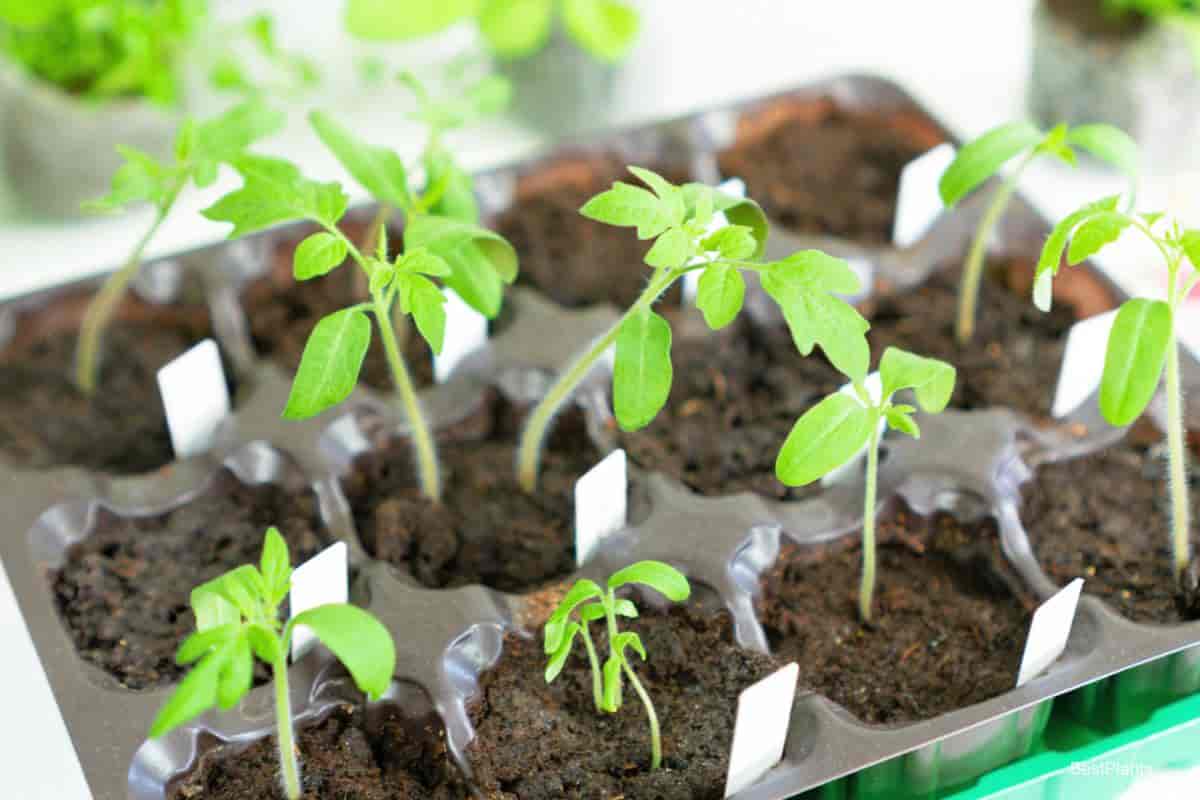
One of the most rewarding of all garden undertakings is starting plants indoors from seed. Unfortunately, it is frequently also one of the most disappointing, for failure to “bring through” a batch of seedlings spells loss of time and opportunity and leaves the gardener with a deplorably deflated ego. 6 Indoor Seed Planting Requirements What … Read more

Label Your Plants Lest You Forget

Labelling Plants

Isn’t it a joy to visit a well-labeled garden where legible nameplates introduce you to each plant? And is there a gardener among us who has not lost a plant or pertinent plant information simply because he relied on his memory? Labels Aren’t Forgetful Legibility, longevity, and good looks are desirable label qualities. These essentials … Read more

Weed Killers: What Friendly Herbicide Is Safe For Bees?

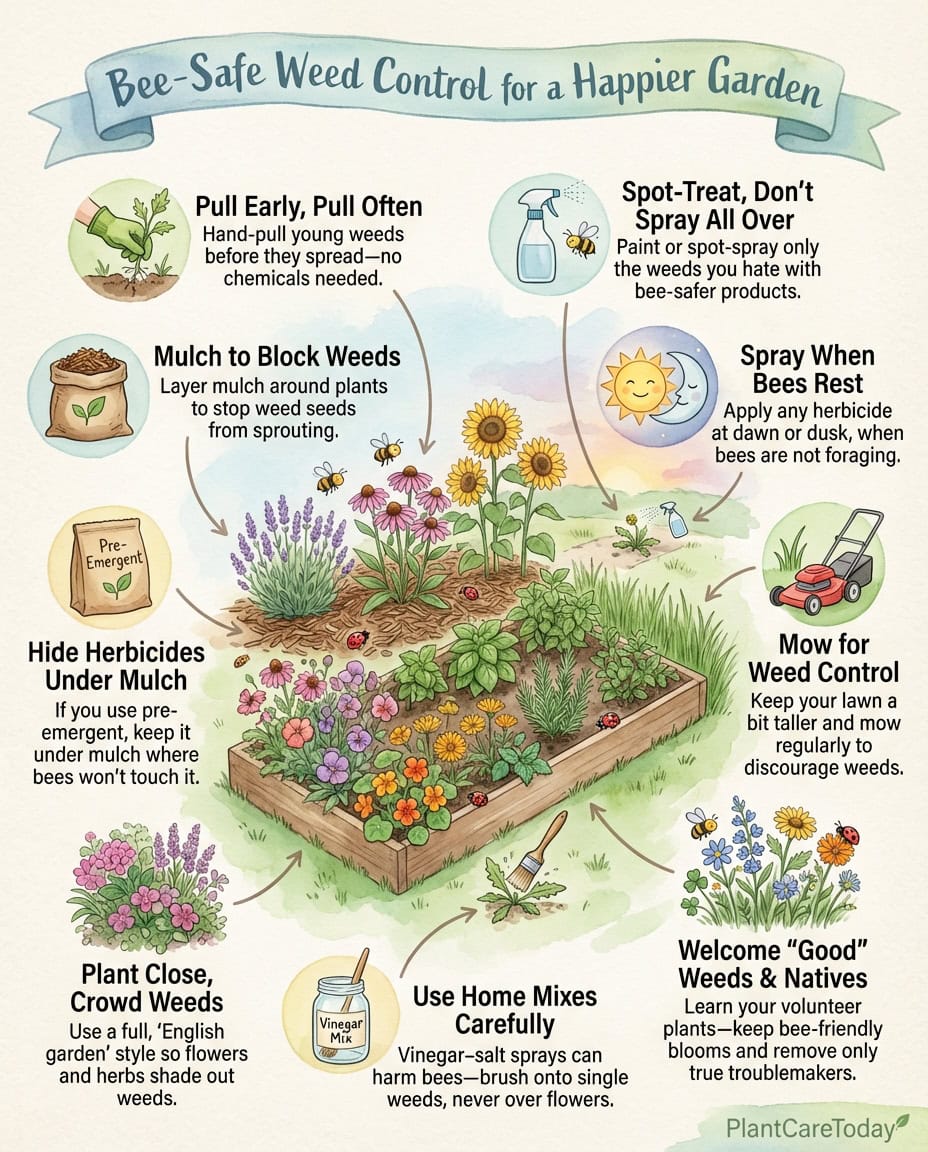
Infographic showing bee-safe weed control methods with herbicide alternatives and application tips

Many herbicides are toxic to bees. Among them are herbicides containing glyphosate, the main ingredient in Roundup.  Other herbicides toxic to bees include Dicamba products and even natural concoctions containing vinegar.  Safer herbicides include those containing Atrazine and 2,4-D.  How Do Herbicides Harm Bees?  Some herbicides kill bees on contact. Yet, many herbicides don’t immediately … Read more