The Secret Garden: Plants Mosquitoes Absolutely Hate

Infographic displaying twelve mosquito-repelling plants with images and natural oil information

I was shocked to discover that one common backyard plant can be 10 times more effective than DEET at repelling mosquitoes. Yet most people are still slathering themselves with chemical sprays while this natural powerhouse sits unnoticed at garden centers. Here’s the game-changer most plant experts won’t tell you: mosquitoes don’t just hate certain plants. … Read more

My Aunt’s Secret Ant Killer Recipe Works in Just 3 Minutes
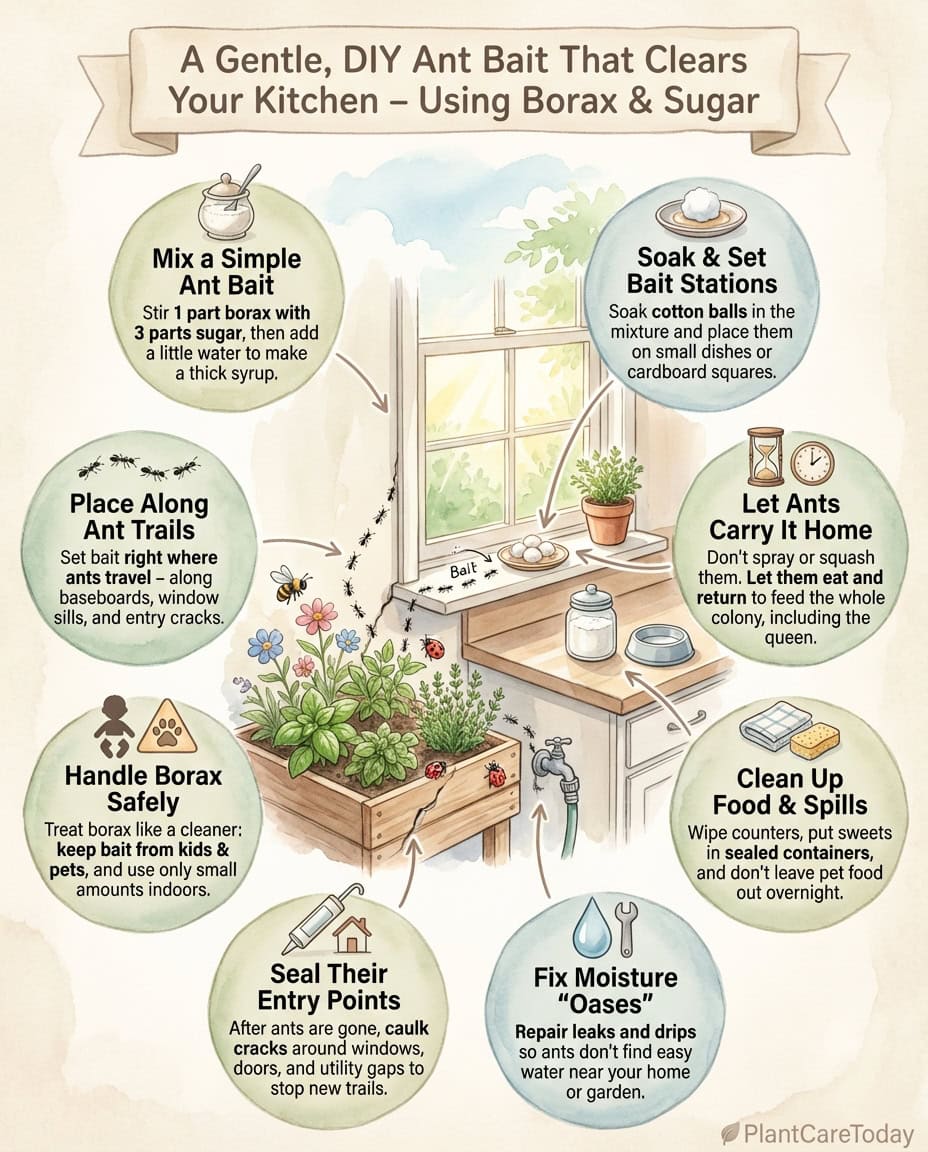
Infographic showing two-ingredient ant bait recipe with step-by-step mixing instructions

Picture this: You’re making morning coffee when you spot them, a parade of tiny invaders marching across your pristine countertop like they own the place. Sound familiar? I used to wage war against these persistent little home invaders every single season, armed with expensive sprays that barely made a dent. Then my aunt shared a … Read more
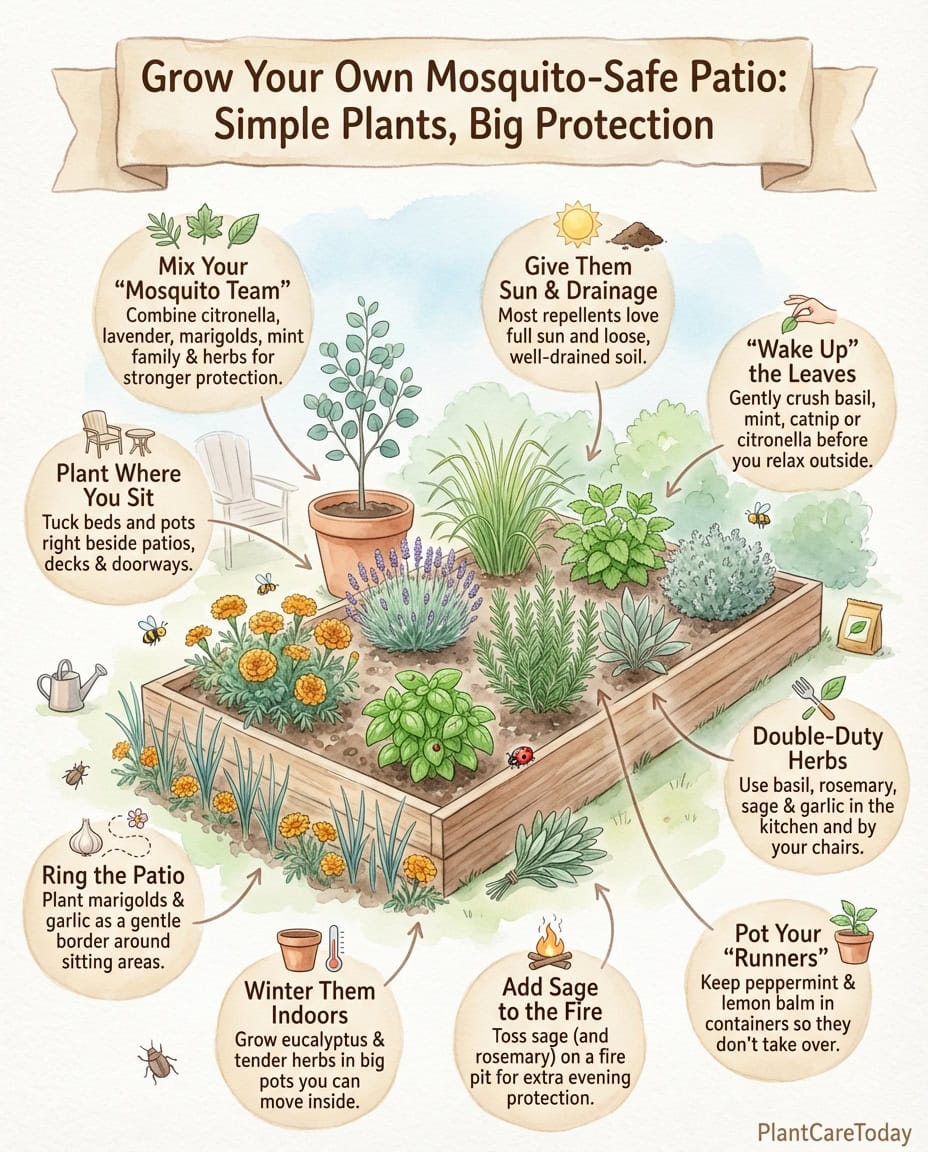
The Natural Mosquito Barrier: 12 Plants That Actually Work

Infographic displaying twelve mosquito-repelling plants including catnip with identification photos

Avoid toxic sprays and chemical foggers that expose your family to harsh fumes. The secret most gardening experts won’t tell you is that nature has already created the perfect mosquito defense system, and it’s growing right under our noses. Here’s a jaw-dropping fact: Studies show that catnip is 10 times more effective at repelling mosquitoes … Read more

Poison Sumac

Poison Sumac

It is a painful irony that one of the very spectacular hardy shrubs is poisonous to most people. This is poison sumac, one of the most brilliant native plants of autumn.  It possesses a generous amount of the same oil found in poison-ivy and its close relative, poison oak. Rhus Vernix The scientific name for … Read more

Bush Bindweed

Bindweed

The bush bindweed (Convolvulus cneorum), a morning glory from the Mediterranean, is one of the best-loved small shrubs in Pacific Coast gardens.  It is cherished for its wealth of bloom, which persists all through the hot summer and autumn months, and for its year-round graceful foliage. Do not confuse it with invasive bindweed species – … Read more

Newest Control Measures For The Nematode Menace

Nematodes

Nematodes, or microscopic eelworms, are rapidly assuming the role of Public Enemy Number One among the organisms that cause plant diseases.  Last year,  they seriously damaged one out of every ten acres of crops grown in the United States. California farmers lose between 200 and 300 million dollars annually because of nematodes. But farmers are … Read more

Chinch Bugs

Chinch Bugs

The name of this powerful insecticide is Ethion. This may surprise some gardeners, as this material first appeared 10 years ago to control mites.  In the intervening years, it has been refined and made more powerful. Possibly the best part of this news is Ethion’s remarkably clear-cut and consistent results against those strains of chinch … Read more

Are Systemic Insecticides The Future Of Pest Control?

Systemic Insecticides

Systemic insecticides may soon drastically change our present pest-control practices.  These chemicals are absorbed either through the roots or leaves of actively growing plants in sufficient amounts to kill insects and related pests feeding on or breeding in them.  They are effective even at considerable distances from the point where they are applied.  They also … Read more

What’s In Your Garden Potpourri?

Garden Potpourri

Last winter, I brought one of the frothy egg masses of the praying mantis into the greenhouse.  Within three weeks, 100 wee mantes emerged from foam, each with an appetite larger than its body. One tackled a sowbug 20 times its size the day it was born. The brawl was intense, but the mantis won. … Read more

Are Systemic Insecticides The Future Of Pest Control?

Systemic Pesticides

The development of systemic pesticides for commercial use is progressing rapidly. These are chemicals that can be absorbed by a plant and transported throughout its tissues in an active form. They are non-harmful to the plant and can provide long-lasting protection against invading organisms. This dream has become a reality, as a select few of … Read more