How To Recognize And Control Nematodes

Controlling Nematodes

Among the many different kinds of organisms known to cause plant diseases, nematodes or eelworms are the least known to gardeners.  They are, nevertheless, important disease-producers, and are frequently the cause of stunted growth, leaf might, and, occasionally, even death of many economic crops, trees, shrubs, and ornamentals. Small Size of Nematodes One reason why … Read more

Essential Equipment for Dusts and Sprays

essential dusts sprays equipment

There are all sorts, shapes, sizes, and prices of sprayers and dust guns to select from, as you know. Some apply tile control materials dry as dust, others wet as a spray. Each one has its devotees. Whether you dust or spray is like deciding whether to buy a box of pancake mix or mix … Read more

Tips On Controlling Mildew And Black Spot

Fungus Diseases

In the Pacific Northwest, where the rose has won international acclaim for its size, beauty, and case of culture, there are two major fungus diseases and four persistent pests (of the insect type) which demand the attention of rose growers. Two Major Fungus Diseases Let us take the fungus diseases first. Mildew and black spot … Read more

Chemical Aids to Gardening

Chemicals For Gardening

Four chemicals play a significant role in the care and enjoyment of the home grounds today: Granular cyanamid All-purpose sprays (for fruit and ornamentals) Brush killers Sequestrene Granular Cyanamid Granular cyanamid was used to make weed-free lawns and the renovation of old turf. As a nitrogen-lime fertilizer, it accomplishes this double-action role by being able … Read more

Earwigs The Plague Of Home Gardeners

earwigs plague gardeners

During the last five years, a dark-brown formidable-looking insect with prominent “pincers” at its tail end has caused much consternation in homes and gardens of greater Boston and other areas along the northern Atlantic Coast. This is the European earwig which has the scientific name Forficula auricularia L. As the name implies, it is a … Read more

Mites: What To Look For And How To Control Them

Mites on Plants

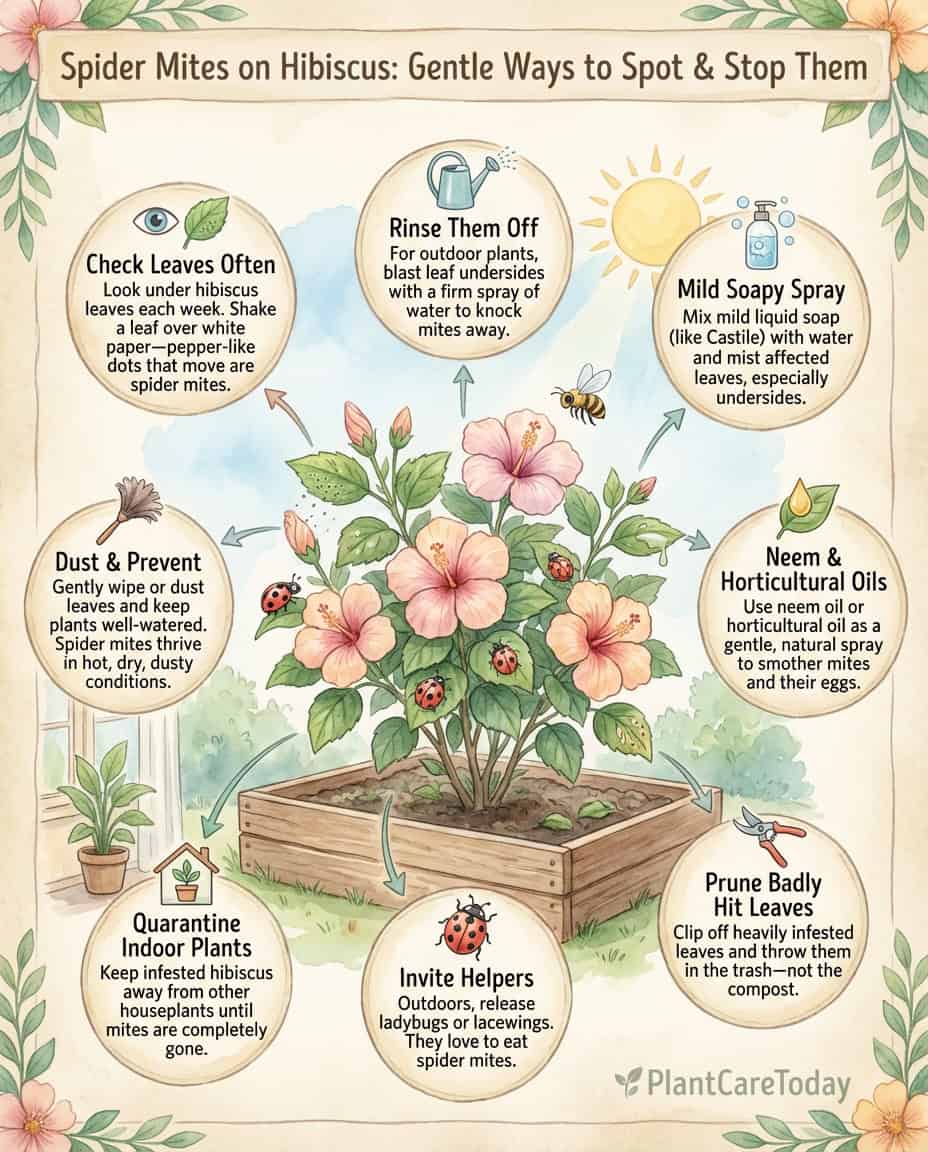
In recent years, mites have become major pests of many plants, including the following: Arborvitae Birch Boxwood Cedar Cypress Hawthorn Hemlock Oaks Peach Phlox Pine Rose Spruce One reason for this is the widespread use of newer organic insecticides such as DDT, heptachlor, aldrin, and dieldrin. While these chemicals give remarkable control of insects, they … Read more

Can You Grow A Better Garden Using Chemicals? A Look Back

Gardening With Chemicals

Garden chemicals are available in greater numbers this year than ever before. Years ago insecticides and plant growth regulators were introduced for home use. Most of the “old reliables” are not around to help make gardening more enjoyable and more successful. Malathon Insecticide Malathon is perhaps the most crucial “old timer” for insect and mite … Read more

The War On Pests: Good Results With Good Equipment

Good equipment

There’s good news in the war on garden pests: the struggle grows easier by the season. Thanks to recent improvements in spraying and dusting equipment, you can go forward to battle assured of winning with a minimum of effort. New designs make garden spraying and dusting practically a push-button job. And even if you are … Read more

Beware Of Poison Ivy and It’s Irritating Oil

Poison Ivy

Sufferers from the painful, itchy skin and eruptions caused by poison ivy spend many miserable hours. To avoid this, it is most important to identify this plant, all-too-often found in gardens, as well as in the woods and along roadways over a large part of the country. Seeds dropped by birds cause young plants to … Read more

Should You Use Fungicides For A Healthier Garden?

Fungicides For Garden

Fungi cause the majority of plant diseases. The chemicals which kill or inhibit fungi are called fungicides. Fungicides protect seeds from decay and tender seedlings from damping-off, seedling blights, and smuts. Fungicide sprays and dust ward off the following diseases, such as: Leaf spots Blights Scabs Mildews Rusts Anthracnose Smuts and many others Soil applications … Read more